Maintaining a vehicle in the United Arab Emirates presents a unique set of challenges. While modern automotive engineering has come a long way, the environmental conditions of the Middle East—characterized by extreme heat, blowing sand, and heavy stop-and-go traffic—dramatically impact how your vehicle’s heart (the engine) functions.
If you are wondering about the ideal engine oil change frequency UAE drivers should follow, this comprehensive guide will break down the science, the environmental factors, and the best practices to keep your car running smoothly for years to age.
Why the UAE Environment Changes the Rules
In many parts of the world, manufacturers suggest oil change intervals of 10,000 to 15,000 kilometers. However, the UAE is classified under “severe driving conditions” by almost every major automotive brand. Here’s why:
1. Extreme Ambient Temperatures
During the peak of summer, temperatures in Dubai and Abu Dhabi can soar above 45°C (113°F). High external heat puts immense thermal stress on your engine oil. Oil functions not just as a lubricant, but as a coolant. In extreme heat, oil oxidizes faster, leading to a breakdown in viscosity.
2. Dust and Sand
The UAE is a desert landscape. Fine silica dust and sand particles are constant threats. Even with a high-quality air filter, microscopic particles can enter the engine system, contaminating the oil and turning it into an abrasive “sludge” that wears down metal components.
3. Idle Time and Urban Traffic
Whether you are stuck on E11 during rush hour or waiting in a car park with the AC on full blast, “engine hours” often exceed the actual kilometers driven. High idle time in high heat is one of the fastest ways to degrade engine oil quality.
Determining Your Engine Oil Change Frequency UAE
While every car is different, there are general benchmarks based on the type of oil you use and your driving habits.
Synthetic Oil vs. Mineral Oil
- Mineral Oil: Derived directly from refined crude oil. In the UAE heat, mineral oil breaks down quickly. If you use mineral oil, you should change it every 5,000 kilometers.
- Fully Synthetic Oil: Engineered in labs to withstand higher temperatures and provide better lubrication. Brands like Chempioil offer advanced synthetic formulas designed for high-performance and high-heat environments. With fully synthetic oil, you can typically stretch your interval to 10,000 kilometers, though 7,500 km is often recommended for older vehicles.
The “Severe Service” Schedule
If you frequently engage in the following, you should follow a more frequent engine oil change frequency UAE schedule (every 5,000 km even for synthetic):
- Short trips (less than 10km) where the engine doesn't reach full operating temperature.
- Extensive idling in traffic.
- Driving in dusty/sandy conditions (off-roading in the dunes).
- Towing heavy loads.
Signs Your Vehicle Needs an Immediate Oil Change
Sometimes, you shouldn’t wait for the odometer to hit a specific number. Keep an eye out for these warning signs:
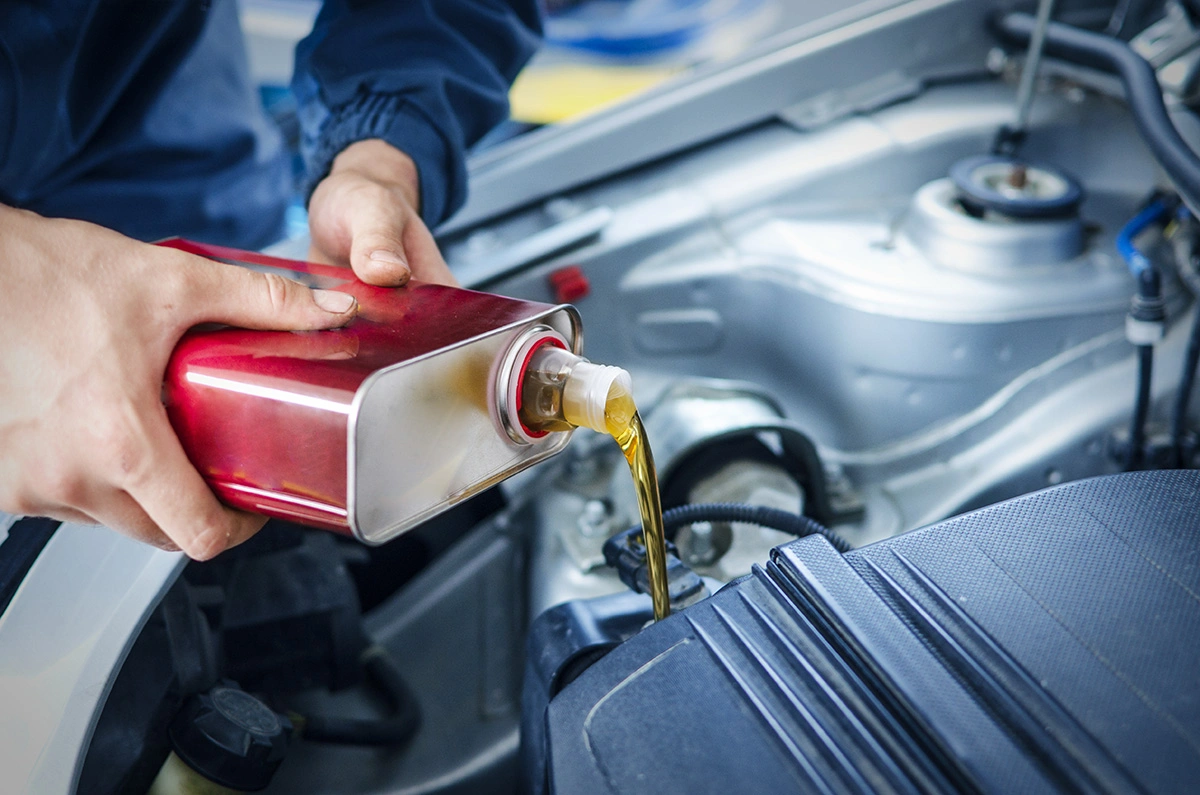
- Dark and Gritty Oil: Fresh oil is honey-colored. If it turns black and feels gritty between your fingers, it is saturated with contaminants.
- Engine Noise: If you hear knocking or ticking sounds, the oil is likely too thin to provide a protective barrier between moving parts.
- Oil Pressure Light: Never ignore this dashboard warning. It often means your oil level is dangerously low or the oil has lost its viscosity.
- Exhaust Smoke: Blue or gray smoke from the exhaust can indicate oil is leaking into the combustion chamber because the oil has thinned out too much.
The Role of Quality: Why Choose Chempioil?
Not all oils are created equal, especially when battling the Arabian sun. Using a premium lubricant like those found at Chempioil UAE ensures that your engine has the chemical stability required for the region.
Advanced additives in high-quality oils help:
- Neutralize Acids: Created during the combustion process.
- Prevent Sludge: Keeping the internal galleries of the engine clean.
- Thermal Stability: Ensuring the oil doesn't "cook" and lose its ability to flow at high temperatures.
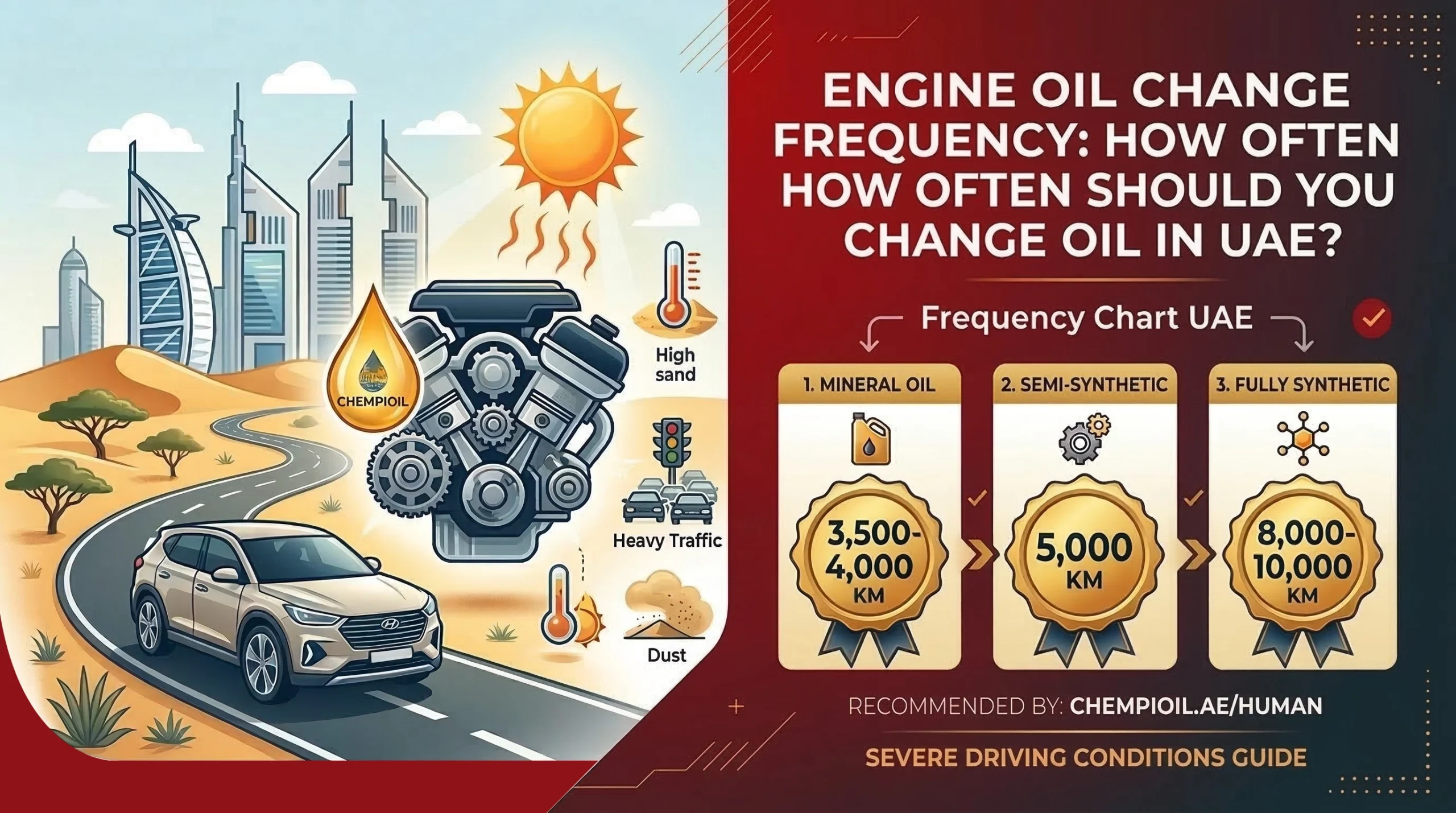
Engine Oil Change Frequency Chart (UAE Standard)
| Oil Type | Recommended Interval (KM) | UAE Extreme Heat Interval (KM) |
| Mineral Oil | 5,000 | 3,500 – 4,000 |
| Semi-Synthetic | 7,000 – 8,000 | 5,000 |
| Fully Synthetic | 10,000 – 15,000 | 8,000 – 10,000 |
(Note: Always check your vehicle owner’s manual as the primary reference.)
Maintenance Tips for UAE Drivers
To maximize the life of your engine, follow these simple steps alongside your regular oil changes:
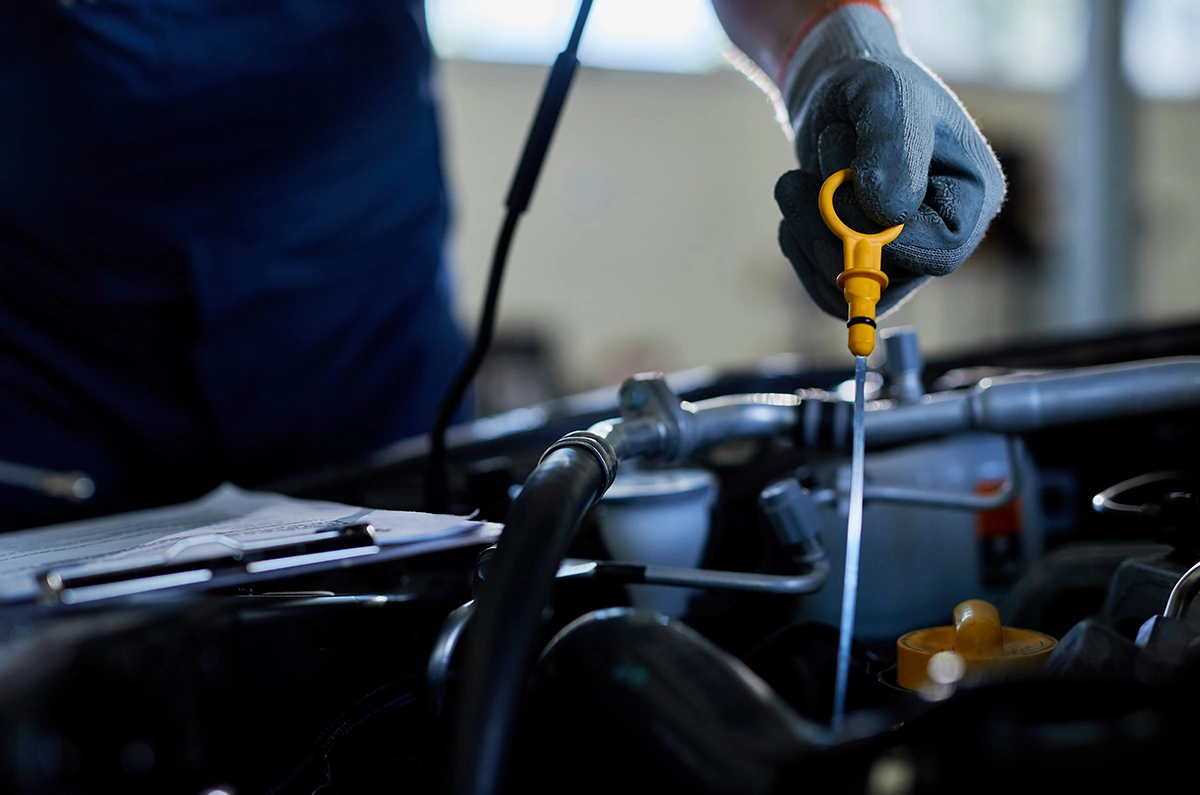
- Check Levels Bi-Weekly: Heat can cause minor evaporation or consumption. Check your dipstick every two weeks.
- Replace the Filter Every Time: Never change the oil without changing the filter. A dirty filter will immediately contaminate your fresh oil.
- Monitor Coolant Levels: Since the engine runs hotter in the UAE, your cooling system must be in top shape to help the oil do its job.
- Don't Forget the Air Filter: In sandy conditions, a clogged air filter makes the engine work harder, increasing internal temperatures and oil degradation.
Conclusion
Understanding the correct engine oil change frequency is the most cost-effective way to avoid expensive engine repairs. While it might be tempting to wait until 15,000 km, the reality of desert driving demands more frequent attention. By choosing high-quality synthetic oils and sticking to a 7,500 km to 10,000 km schedule, you ensure your vehicle remains reliable, efficient, and powerful despite the harsh climate.
For the best protection tailored to the Middle Eastern climate, explore the range of lubricants at Chempioil UAE and give your engine the care it deserves.