Engine oil is often referred to as the lifeblood of your vehicle. It lubricates moving parts, reduces friction, cools engine components, and cleans away microscopic debris. However, oil doesn’t last forever. Over time, it breaks down, becomes contaminated, and loses its ability to protect your engine.
Ignoring the warning signs engine oil needs attention can lead to catastrophic engine failure and thousands of dollars in repair bills. To keep your vehicle running smoothly on the roads of Dubai and beyond, keep an eye—and an ear—out for these ten critical indicators.
1. The Oil Pressure Warning Light
The most obvious sign is the oil can icon on your dashboard. When this light illuminates, it means your engine has detected low oil pressure. This is a critical emergency. Low pressure means the oil isn’t reaching the top of the engine, leading to metal-on-metal contact. If this light stays on, pull over safely and turn off the engine immediately.
2. Dark and Dirty Oil
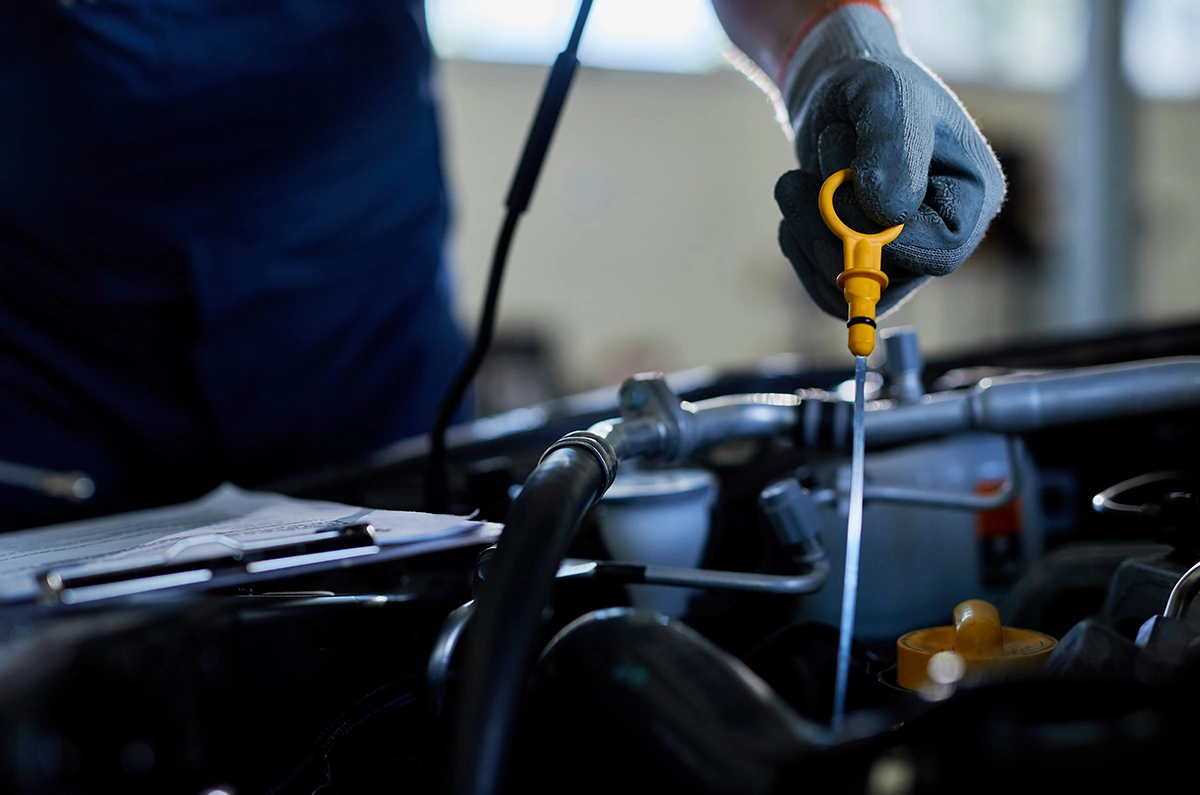
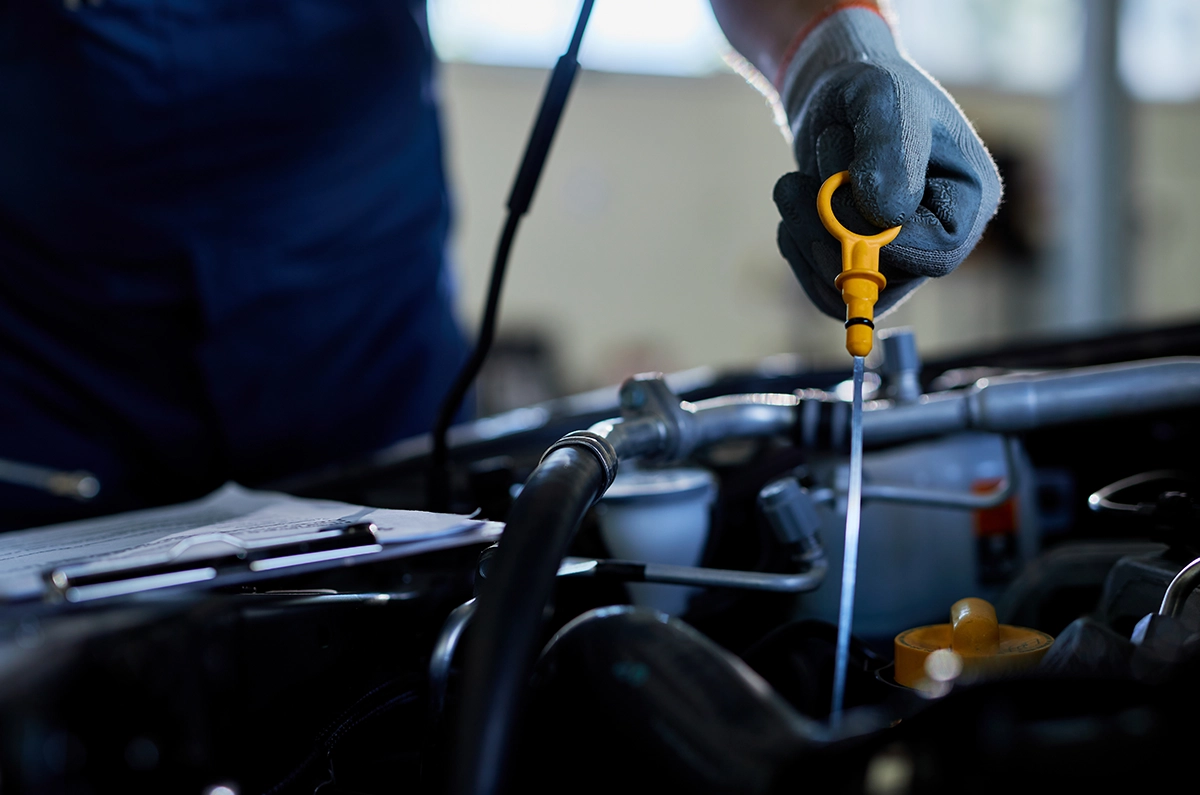
Clean engine oil is typically a translucent, amber color. As it works, it picks up particles and soot from the combustion process. If you pull out your dipstick and the oil looks like thick, black sludge or has a gritty texture, it has reached its saturation point. Dirty oil acts as an abrasive rather than a lubricant, causing premature wear on your engine’s internal components.
3. Persistent Tapping or Knocking Noises
Oil creates a thin protective barrier between moving metal parts. When the oil becomes thin, old, or low in volume, that barrier disappears. You may begin to hear a rhythmic tapping or “ticking” sound from the engine bay. In severe cases, this progresses to a loud knocking sound, which often indicates that the engine bearings are failing due to a lack of lubrication.
4. Burning Oil Smell Inside the Cabin
You should never smell oil while driving. If the scent of burning oil wafts through your vents, it usually indicates a leak. Oil may be dripping onto hot exhaust components or leaking into the combustion chamber. Regardless of the cause, a burning smell is a clear warning sign engine oil needs attention before a potential fire hazard or engine damage occurs.
5. Excessive Exhaust Smoke
While it’s normal to see some translucent vapor from your tailpipe in cooler weather, thick blue or grey smoke is a major red flag. Blue smoke typically means oil is leaking into the engine cylinders and being burned along with the fuel. This not only depletes your oil levels rapidly but can also damage your catalytic converter and spark plugs.
6. Falling Oil Levels
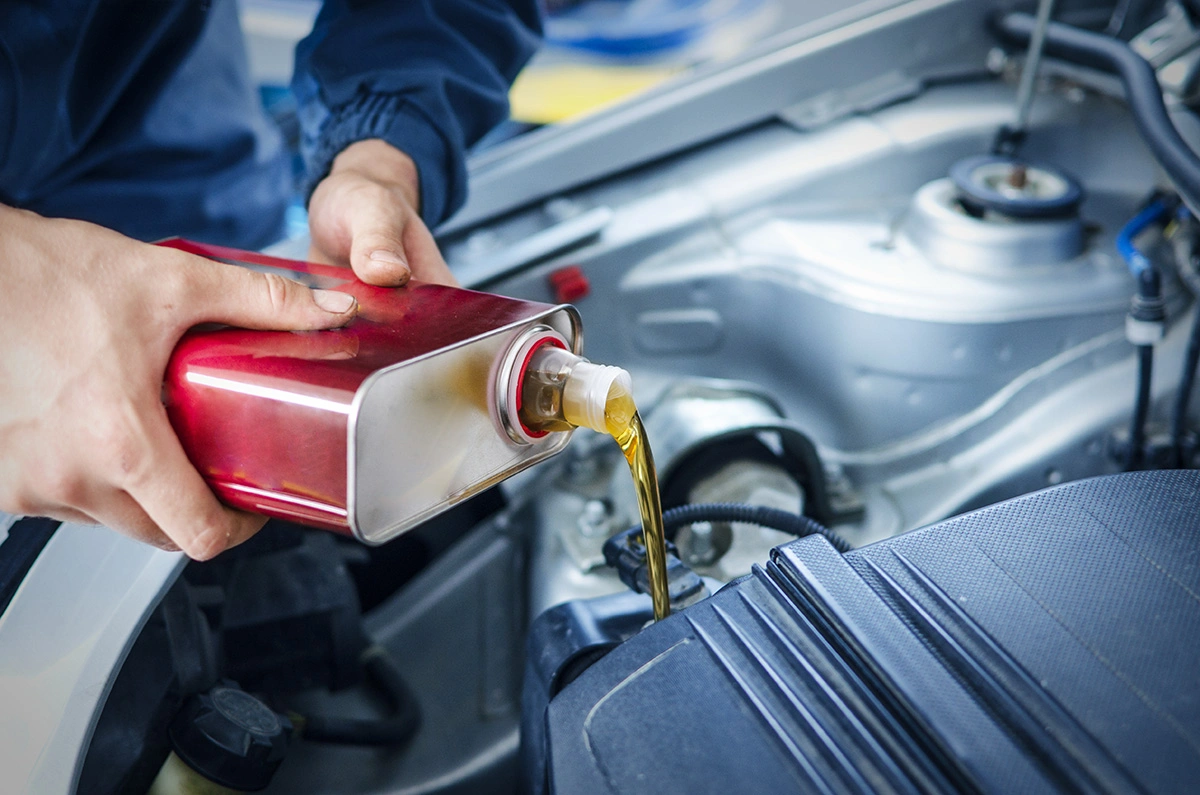
Every car consumes a tiny amount of oil over time, but if you find yourself topping up the reservoir every few weeks, you have a problem. This could be an external leak (look for puddles under the car) or an internal leak. Consistently low oil levels are a precursor to engine overheating and total seizure.
7. Engine Overheating
While the coolant system is primarily responsible for temperature regulation, engine oil plays a significant role in heat dissipation. By reducing friction, oil prevents heat build-up. If your oil is old or insufficient, the friction increases, causing the engine temperature gauge to climb into the red zone.
8. Poor Fuel Economy
If you notice you are visiting the petrol station more often than usual, your oil might be to blame. When oil thickens into sludge, the engine has to work harder to move its internal parts. This increased resistance requires more fuel to maintain the same level of performance, leading to a noticeable drop in your kilometers-per-liter.
9. Sluggish Acceleration or Shaking
When engine oil can no longer lubricate parts effectively, the engine struggles to operate at peak efficiency. You might experience a “heavy” feeling when pressing the gas pedal or a slight vibration while the car is idling. This happens because the internal friction is hindering the smooth rotation of the crankshaft.
10. High Mileage Since the Last Service
Sometimes the warning sign isn’t a sound or a smell, but a number on your odometer. If you have exceeded the manufacturer’s recommended interval (typically every 5,000 to 10,000 kilometers depending on the oil type), your oil is likely degraded. Even if the car “feels” fine, the chemical additives that prevent corrosion and foaming have likely worn out.
Why Choose Chempioil for Your Vehicle?
In the harsh, high-temperature environment of the Middle East, your engine oil needs to be of the highest quality to withstand extreme thermal stress. At Chempioil UAE, we provide advanced lubricant solutions engineered to protect your engine under the most demanding conditions.
Our products are designed to:
- Maximize Engine Life: By providing superior film strength.
- Improve Fuel Efficiency: Through advanced friction-reducing technology.
- Maintain Cleanliness: With powerful detergents that prevent sludge buildup.
Don’t wait for a breakdown. If you recognize any of the warning signs engine oil needs attention, it’s time for a professional oil service. Ensure your vehicle stays “Human-Centric” by prioritizing safety and reliability with premium lubricants.
Visit Chempioil UAE today to find the perfect oil for your vehicle and ensure a smoother, safer drive.